
"I've got carp and crucian carp near me. What gear should I buy?" "My local waters are full of crucian carp — can I lure fish here?" "I want to target carp with lures."
If you've ever asked a version of these questions, you're not alone. Almost every beginner gets this wrong. And it's the single biggest reason so many people spend hundreds on gear, cast for weeks, and quit without ever catching a thing.
Today we're answering the most fundamental question in lure fishing: what exactly is a lure fishing species, and what is not? By the end, you'll know which fish to target, which to avoid, and how to visually identify a lure species in seconds.
1. Bait Fishing Logic Does Not Apply to Lures
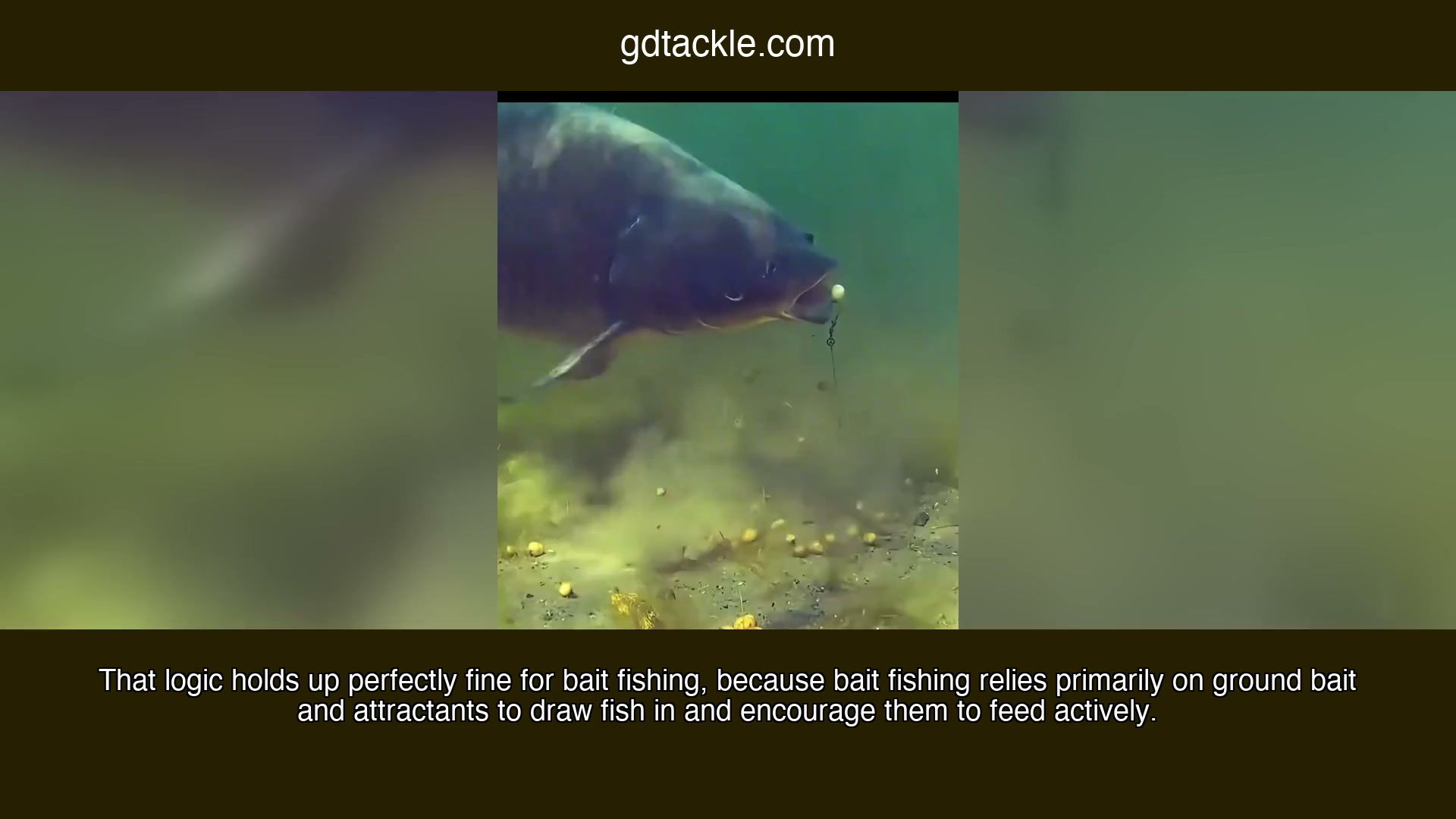
Many anglers coming from traditional bait or float fishing carry a perfectly reasonable assumption: if there are fish in the water, and fish eat food, then I should be able to catch them.
That logic holds up for bait fishing. Bait relies on ground bait and attractants to draw fish in and encourage active feeding. You throw in the feed, the fish show up, and eventually one takes your hook bait.
Lure fishing is fundamentally different. The core of lure fishing is not feeding — it's deception. Lures are artificial imitations that trigger predatory attack behavior. A fish's motivation to strike a lure is not always hunger — it's often territorial, reflexive, or driven by curiosity.
This is the single most important mindset shift every beginner needs to make before buying a single lure.
2. The 3 Defining Traits of a Lure Fishing Species
Strictly speaking, "lure species" isn't a formal biological classification. It's a practical term for fish that are suitable targets for artificial lure presentation — fish you actively search for and trigger into striking.
Trait #1: Predatory Aggression
Species like snakehead, culter, mandarin fish, and bass actively chase down and attack small fish and shrimp. They aren't grazers or filter feeders — they hunt.
Trait #2: A Diet Dominated by Live Prey
In the food composition of lure species, small fish, shrimp, insects, frogs, and other animal matter make up a high proportion. These fish are wired to recognize and attack living creatures.
Trait #3: Responsiveness to Moving Targets
This response isn't about hunger — it's an aggressive behavior hardwired into their genes. Lures are designed to move. When you retrieve, twitch, pause, and hop, you're creating action. If a fish shows little interest in moving objects, it's not suited to lure fishing.
3. Common Lure Fishing Species: Your Target List
Beginners, don't get overwhelmed. Just remember these key species:
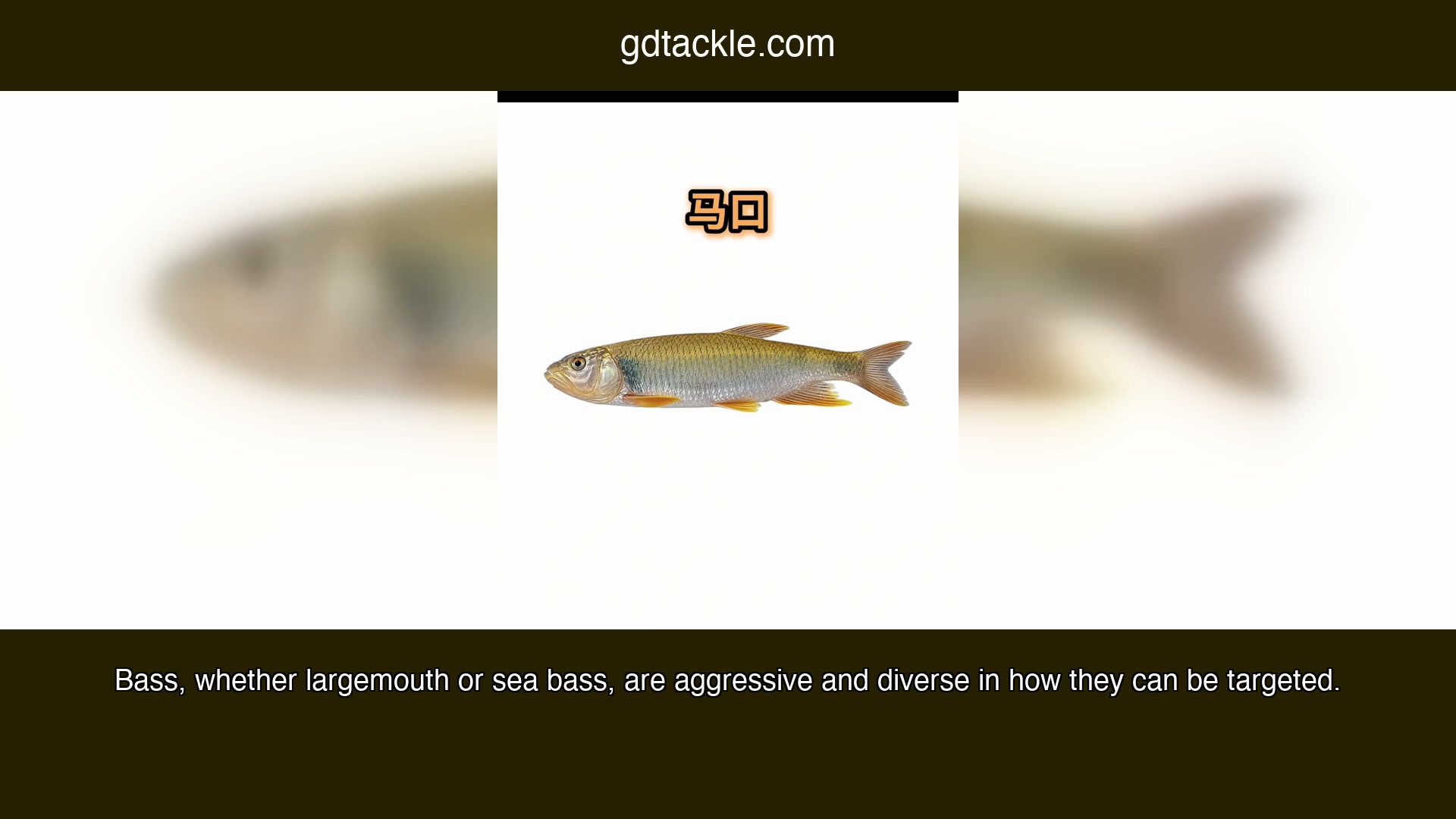
| Species | Nickname | Hunting Style | Best Lures |
|---|---|---|---|
| Snakehead | Thunder fish | Ambush predator | Hollow frogs, soft plastics |
| Culter | White knife | Roaming pelagic hunter | Vibration baits, jerkbaits, pencils |
| Mandarin fish | China's bass | Structure ambush | Jig heads, Carolina/Texas rigs |
| Bass | Green tiger | Aggressive all-rounder | Crankbaits, spinnerbaits, jigs |
| Yellowcheek carp | Water tiger | Ferocious speed predator | Metal jigs, jerkbaits, topwater |

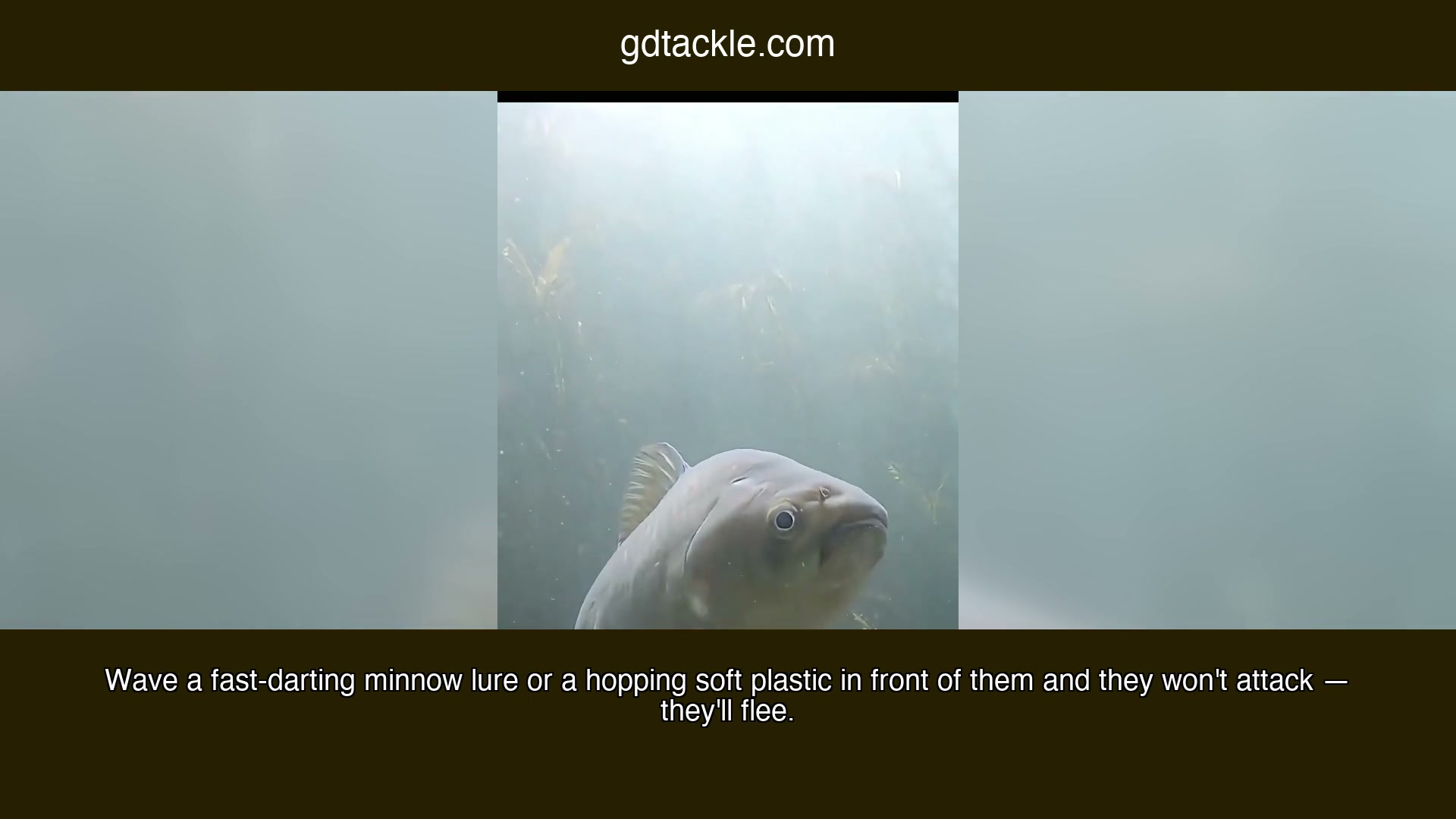
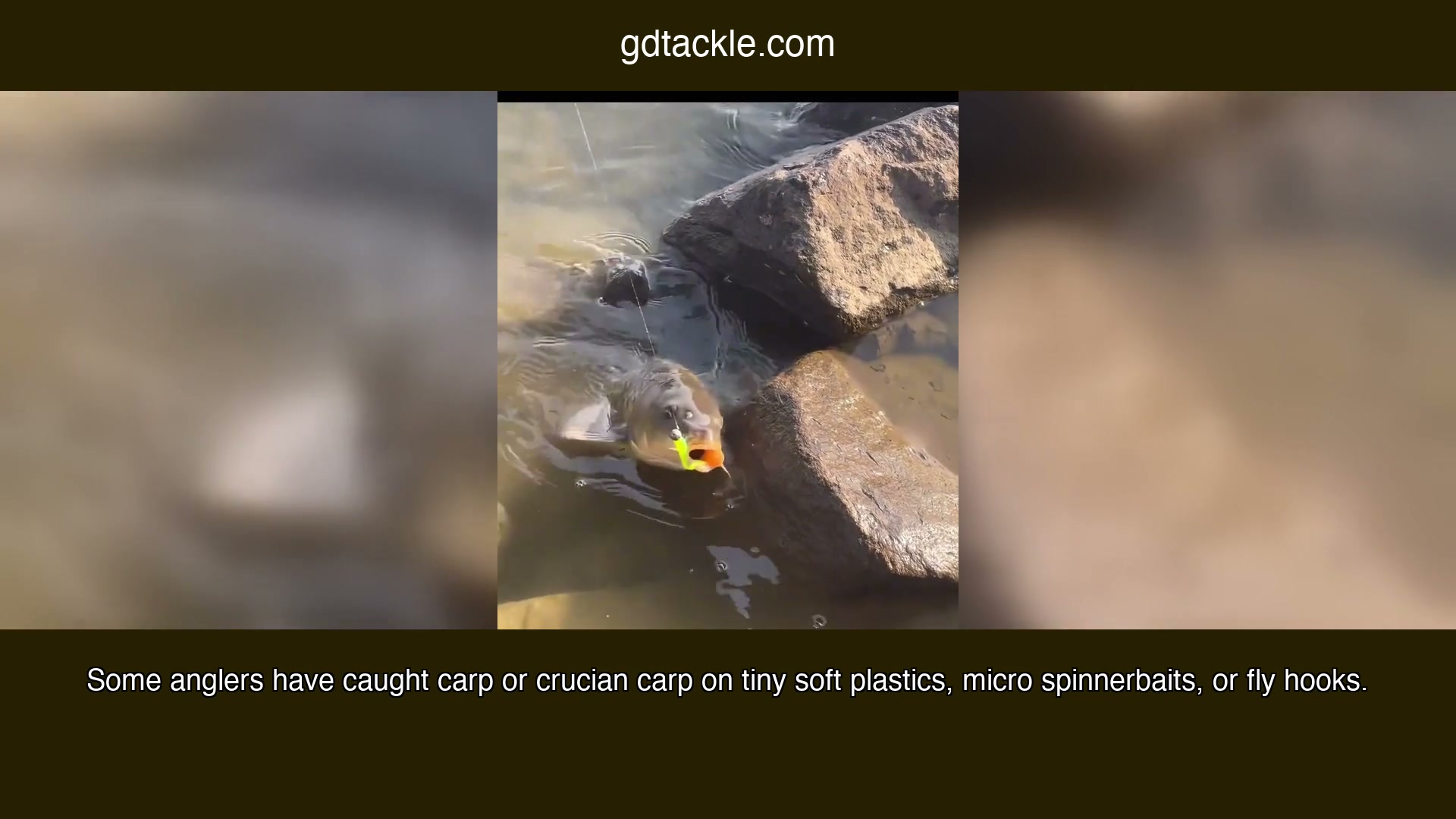
The key question when assessing a new body of water isn't "Are there fish?" — it's "Are there fish that will respond to an artificial lure's deception?"
4. Why Carp, Crucian Carp & Grass Carp Are NOT Lure Species
This is by far the most common question in my inbox. "But my waters are full of carp — why won't they take a lure? I've seen videos of people catching grass carp on lures!"
Crucian Carp
What do they primarily eat? Algae, plankton, organic detritus, insects, small benthic organisms. Their feeding behavior is slow, methodical searching and sucking. Wave a fast-darting minnow lure or a hopping soft plastic in front of them and they won't attack — they'll flee. Crucian carp are not lure species.
Common Carp
Despite their impressive size and strength, their feeding mode is predominantly bottom-suction and filtering. Corn, feed pellets, earthworms — occasionally aquatic insects. They are not pursuit predators. Could a carp occasionally mouth a lure? Possibly. But occasional accidental captures do not make a species suitable for lure fishing.
Grass Carp
Grass carp lean toward bottom-oriented slow cruising with relatively weak aggression. The probability of catching one on a lure is slightly better than carp or crucian carp — but for a beginner, the reality is clear:
Bottom line: If you want to catch these species, use bait. If you want to lure fish, find predatory species. Mixing the two will only lead to frustration — and an empty tackle box fund.
5. How to Visually Identify a Lure Species
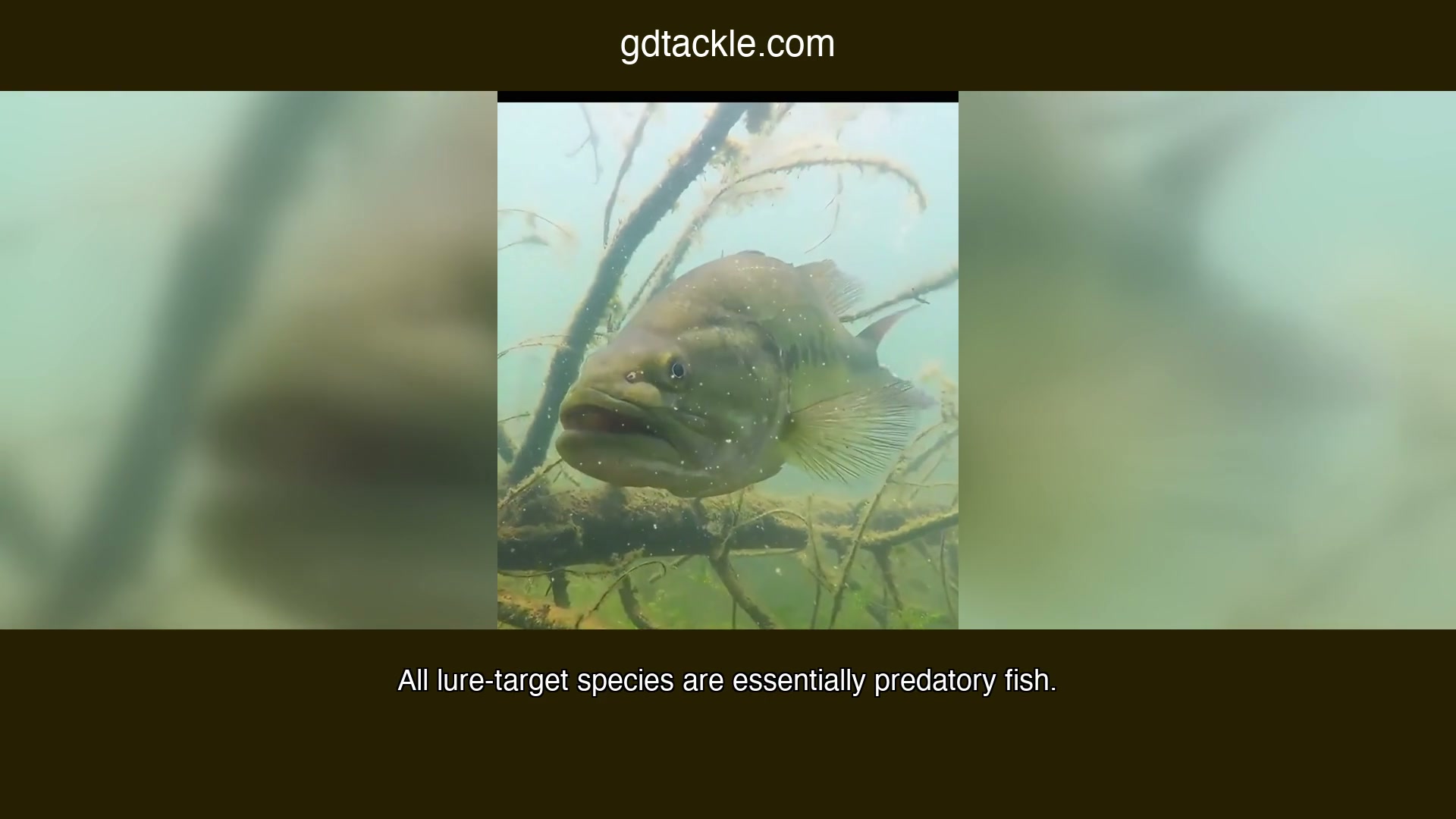
All lure-target species are essentially predatory fish. Their physical characteristics evolved for hunting — and you can read them by appearance alone. Here's your field guide:
Mouth Structure
Lure species: Large, deep mouths — a cavernous bucket-mouth that generates powerful suction during a strike. The mouth typically extends past the front edge of the eye.
Non-predatory species: Small, shallow mouths positioned ventrally (underneath the head), adapted for scraping algae or sifting bottom debris.
Teeth
Lure species: Almost universally possess sharp, well-developed dentition for gripping and tearing prey. Snakehead and pike have vicious, needle-sharp teeth. Bass and mandarin fish have fine, sandpaper-like teeth that grip like a rasp.
Non-predatory species: Generally lack true teeth — they have pharyngeal (throat) teeth for grinding. The outer edge of the mouth is smooth.
Body Shape
Pursuit predators: Slender, torpedo-shaped, streamlined — built for sustained high-speed chasing. The culter is the textbook example.
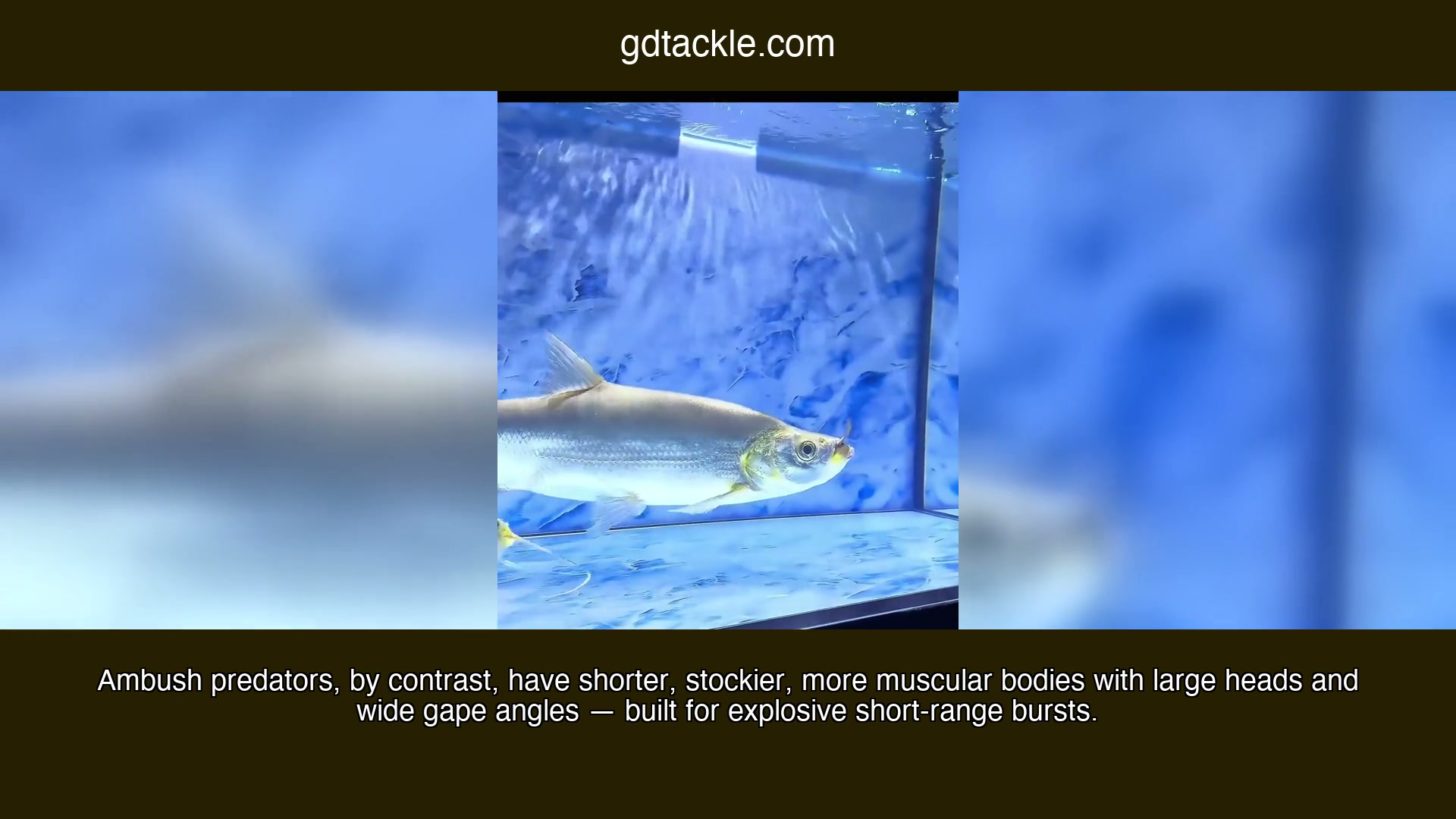
Ambush predators: Shorter, stockier, more muscular — large heads, wide gape angles, built for explosive short-range bursts. Think mandarin fish, snakehead, and grouper.
Non-predatory species: Carp, with that thick robust body — despite its strength and endurance — is physically unsuited for high-speed pursuit.
Scales
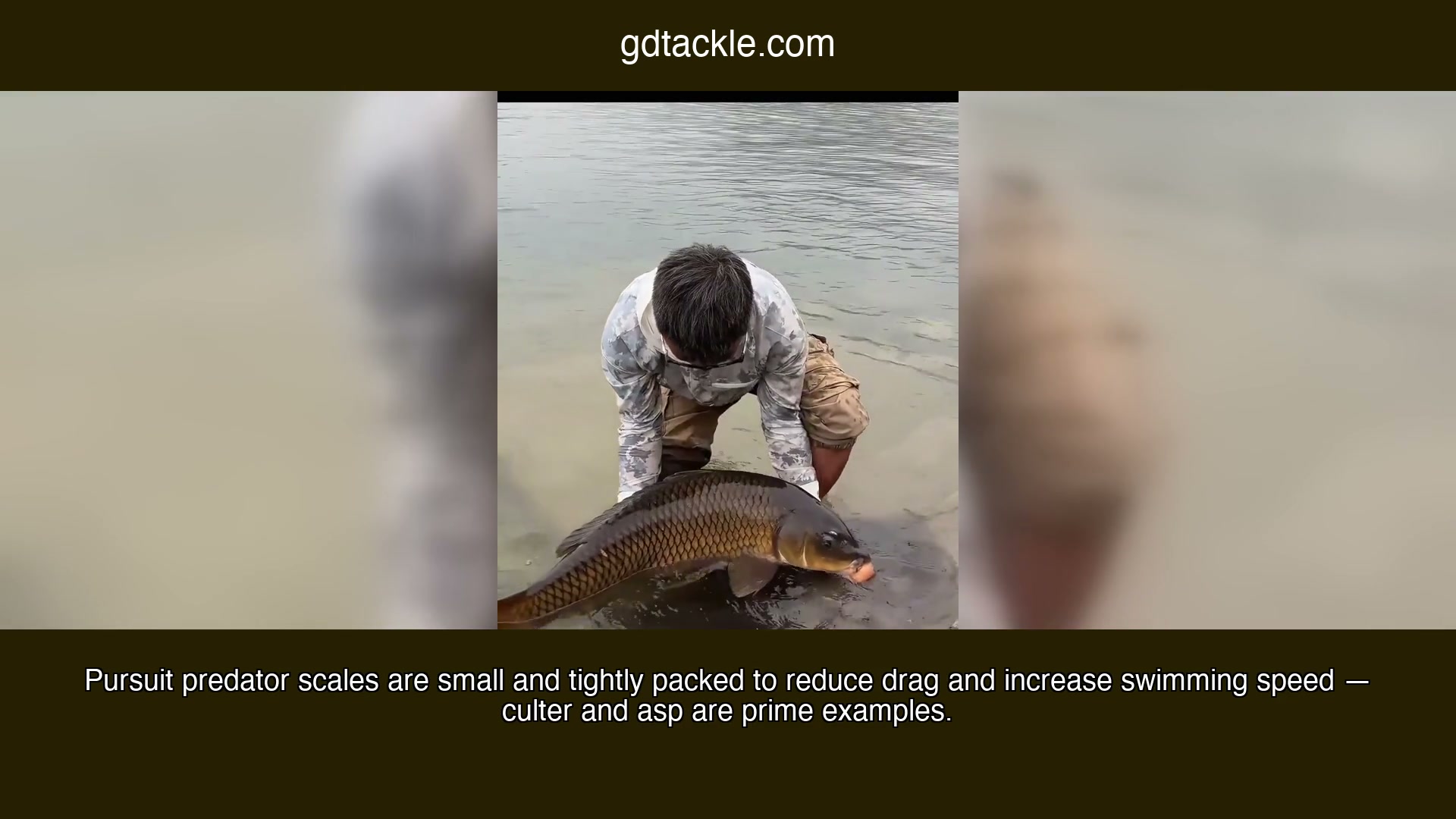
Pursuit predators: Small, tightly packed scales to reduce drag — culter and asp.
Ambush predators: Rougher, more textured scales that aid camouflage — mandarin fish, snakehead.
Non-predatory species: Large, loosely arranged scales — carp, grass carp.
6. The Exception That Breaks Every Rule
There is one Chinese species that defies every single rule laid out above:
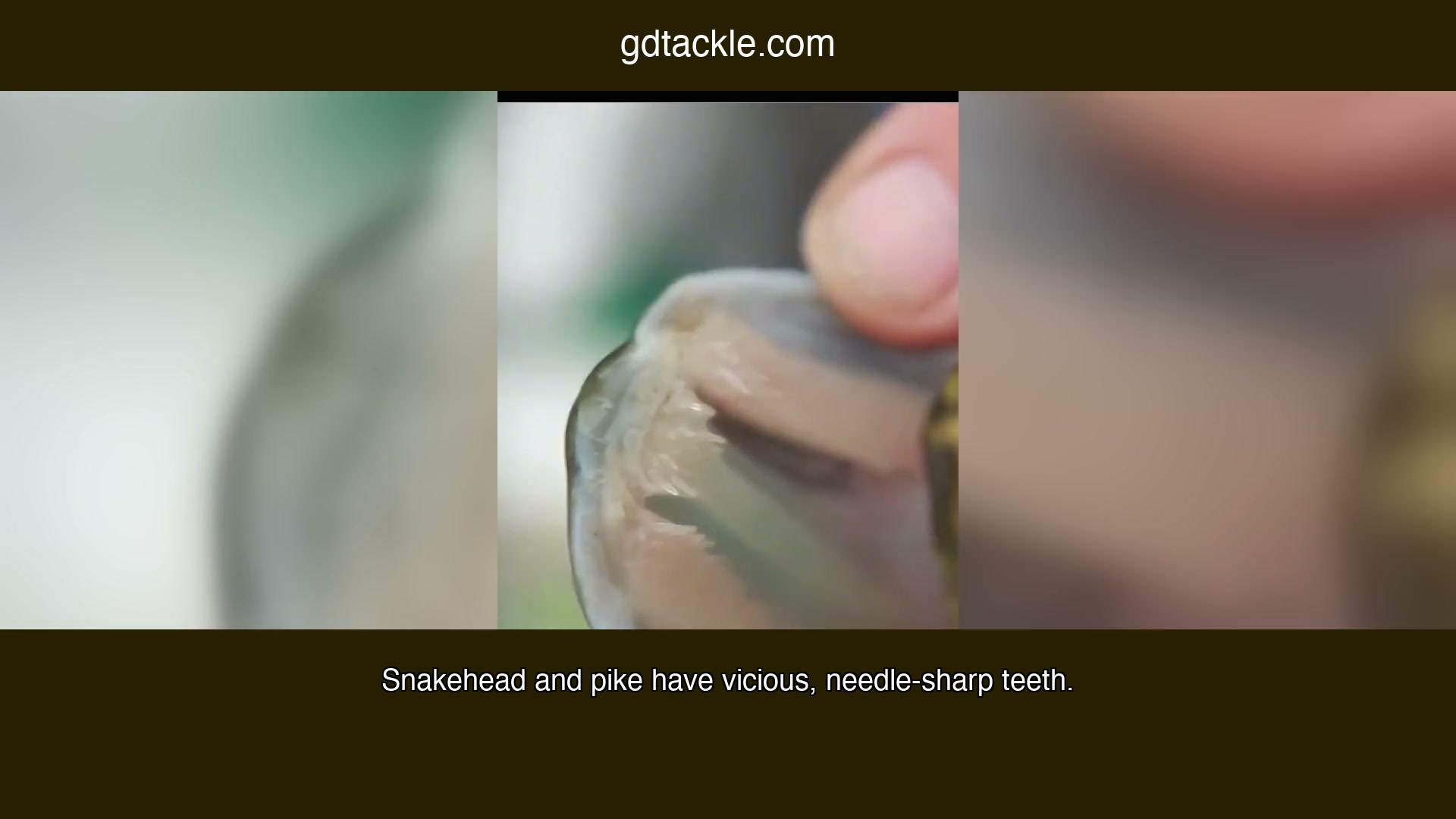
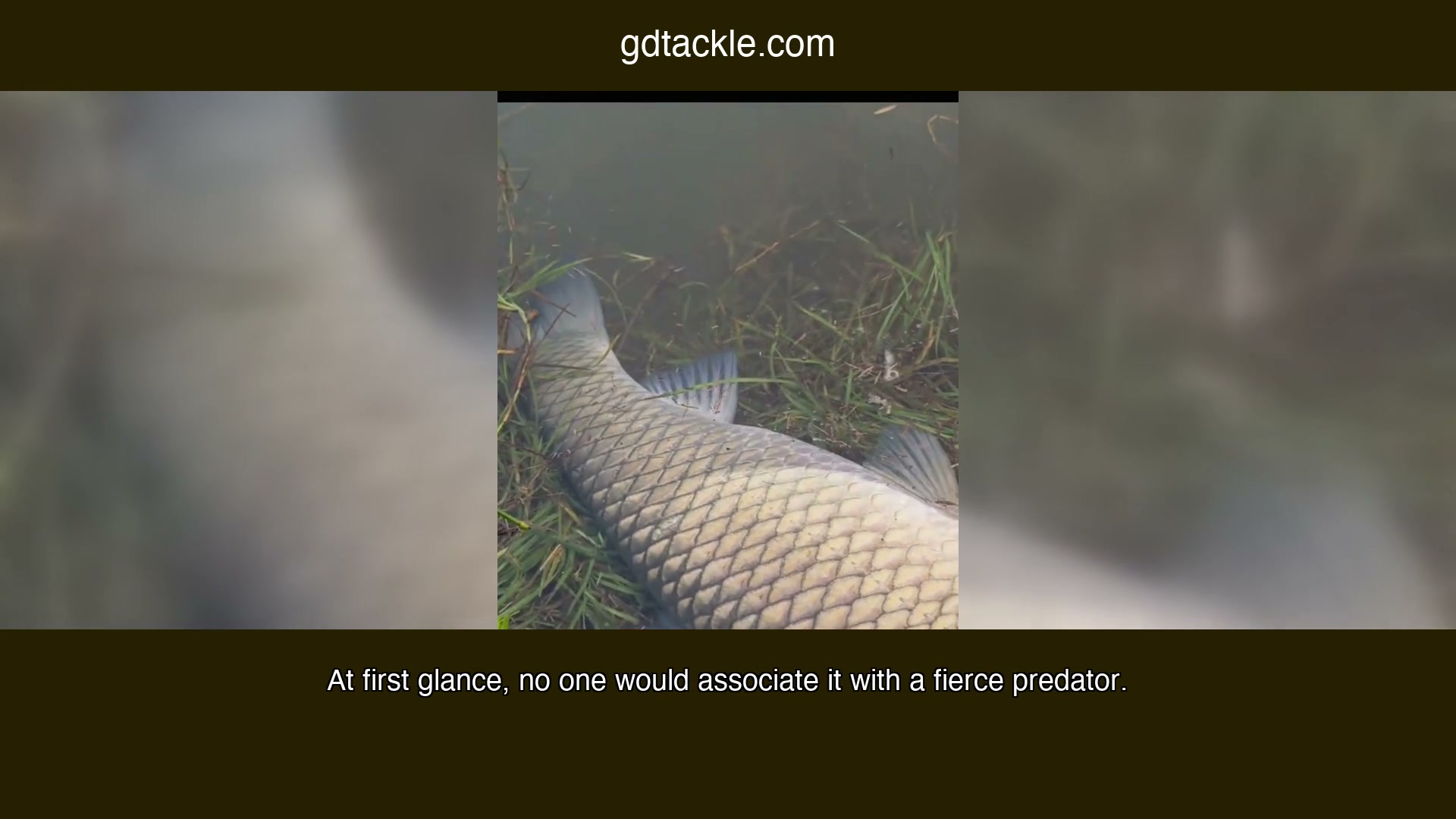
The Chinese black-backed barb. At first glance, no one would associate it with a fierce predator. It looks remarkably similar to a common carp. But do not be fooled by its appearance.
The barb is extraordinarily aggressive, and its infamous death-roll makes its hook-shedding rate incredibly high. It is the dream species of creek and stream lure anglers — proof that nature always has a curveball waiting.
7. Beginners: Find Your Fish FIRST, Then Buy Gear
This is the single most important advice I can give anyone starting lure fishing:
Don't begin by asking what gear to buy. Begin by asking: what suitable target species exist in my local waters?
Most beginners do the opposite. They watch YouTube reviews, buy an expensive rod and reel, fill a tackle box with random lures — and then discover their local waters are full of carp and crucian carp that won't touch any of it.
✅ The Right Sequence for Beginners
Step 1: Identify your local waters — river, lake, reservoir, or creek.
Step 2: Research what predatory species are present.
Step 3: Choose equipment, lures, and techniques based on YOUR target species.
This is the only way to avoid wasting time and money heading down the wrong path.
🎣 Still Not Sure What's in Your Waters?
Drop a comment with your city, water type, and the species you know are present. I'm collecting this data and will produce a dedicated follow-up video on how to choose your first lure fishing setup based on YOUR local conditions.
📺 Watch the Full Video 📬 Contact Us