
Blog
The Complete Guide to Hard and Soft Swimbaits for Predator Fish
2026-08-03 | GD Angling Tackle
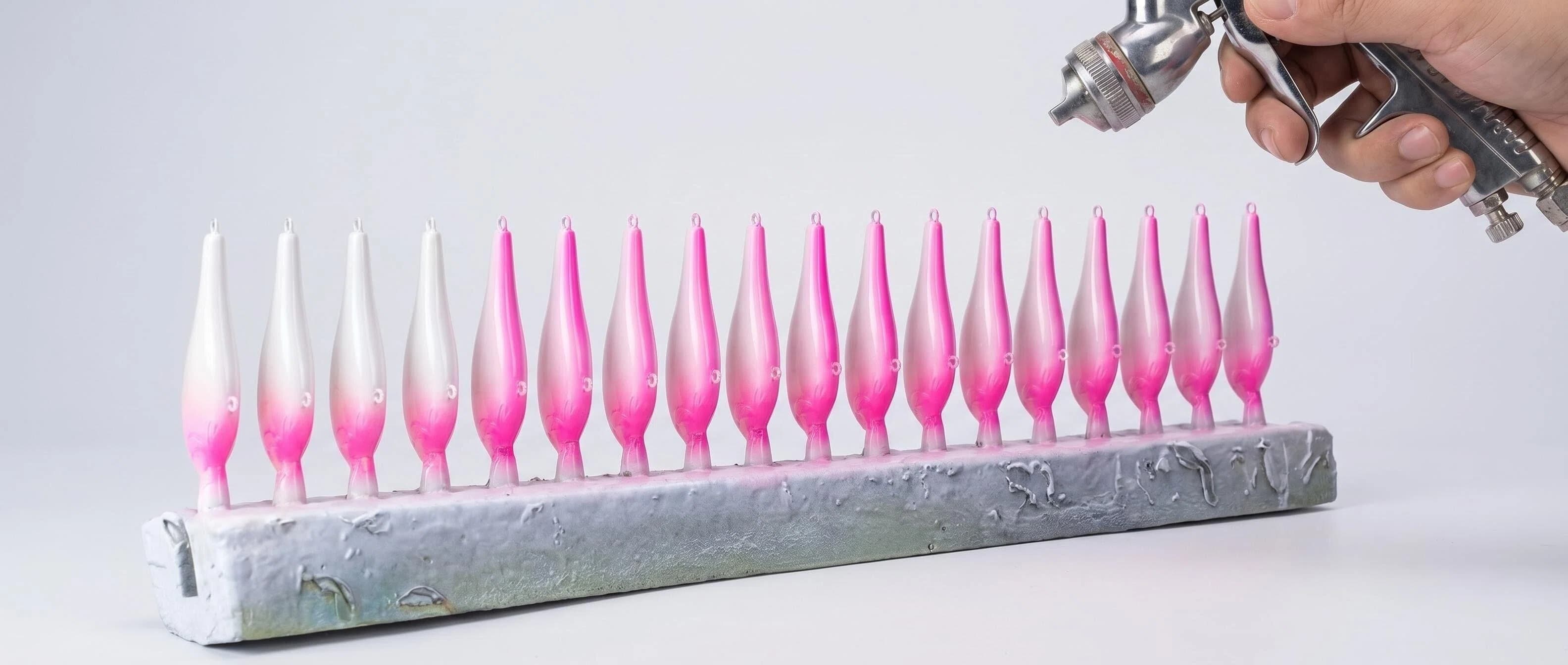
Swimbaits have become one of the most effective and versatile lure categories in modern fishing. Whether you're targeting trophy largemouth bass, pike, musky, or saltwater predators, a well-chosen swimbait can trigger strikes when other lures fail. For tackle retailers and distributors, the swimbait category represents one of the fastest-growing segments in the hard bait market — with anglers increasingly demanding realistic swimming actions and lifelike profiles.
At GD Angling Tackle, we manufacture a comprehensive range of swimbaits — from compact 60mm shrimplures to full-size 120mm+ predator swimbaits. This guide covers everything you need to know about fishing, selecting, and sourcing swimbaits.
What Makes Swimbaits Different from Other Hard Baits?
Unlike crankbaits (which rely on a tight wobble) or jerkbaits (which depend on erratic darting), swimbaits are designed to produce a natural, fluid S-shaped swimming motion that closely mimics a real baitfish. Key characteristics include:
- Multi-jointed body segments: Most hard swimbaits feature 2-6 connected segments that create a sinuous, snake-like swimming action
- Realistic profile: Swimbaits typically feature detailed baitfish shapes — including molded gill plates, scale texture, and 3D eyes
- Slow-sinking or floating options: Versatility in the water column is a hallmark of the category
- Larger profile: Swimbaits tend to be bigger than traditional hard baits, often in the 80-200mm range, making them ideal for targeting trophy fish
Hard Swimbait vs. Soft Swimbait: When to Use Each
Anglers often debate hard versus soft swimbaits. The truth is: both have their place. Here's how they compare:
| Feature | Hard Swimbait | Soft Swimbait |
|---|---|---|
| Durability | Excellent — withstands multiple toothy strikes | Moderate — can tear after several strikes |
| Action | Articulated joint action; consistent S-curve | Full-body tail wiggle; very natural |
| Best for | Clear water, suspended fish, slow retrieves | Stained water, bottom bouncing, fast retrieves |
| Price (retail) | $5 – $25 | $3 – $15 |
| Skill level | Intermediate to advanced | Beginner to intermediate |
Pro tip for retailers: Stock both hard and soft swimbaits. The angler who buys a hard swimbait for clear-water reservoir fishing will also need soft swimbaits for murky river conditions. Cross-selling opportunity is significant.
Top 5 Swimbait Techniques Every Angler Should Know
1. Slow and Steady Retrieve
The most fundamental swimbait technique. Cast past your target area (weed edges, drop-offs, submerged structure), let the lure sink to the desired depth, then retrieve at a slow, steady pace. The multi-jointed body will do the work — producing a natural swimming action that big fish cannot resist. This technique excels in water temperatures between 55°F and 75°F when bass are actively cruising.
2. Stop-and-Go Retrieve
Reel steadily for 3-5 cranks, then pause for 1-2 seconds. During the pause, the swimbait will glide, flutter, or suspend — depending on its buoyancy design. Strikes often occur on the pause when the lure appears injured or disoriented. This is especially effective with slow-sinking swimbaits.
3. Bottom Bouncing
For deeper water or cold-weather fishing, let your swimbait sink to the bottom and use a slow lift-and-drop retrieve. The lure kicks up sediment and mimics a feeding baitfish rooting along the bottom. Use a heavier, sinking swimbait for this technique. Ideal for winter and early spring when bass hold tight to the bottom.
4. Wake Baiting (Topwater Swimbait)
Use a floating or shallow-running swimbait and retrieve it just fast enough to create a V-shaped wake on the surface — without breaking the water. This subtle topwater presentation is deadly in low-light conditions (dawn, dusk, cloudy days) when predators are hunting near the surface. The visual strike is explosive and unforgettable.
5. Burn and Kill
Reel as fast as you can for 5-8 cranks, then kill the retrieve completely. The sudden speed triggers a reaction strike from following fish, while the abrupt stop often seals the deal from hesitant predators. This technique is excellent for covering water quickly when searching for active fish.
Swimbait Size Selection: Match the Hatch
One of the most common mistakes anglers make is choosing the wrong swimbait size. Here's a quick reference:
- 60-80mm (small): Perfect for panfish, crappie, and smallmouth bass. Also excellent for trout fishing. GD Angling Tackle's Shrimplures fall into this micro-swimbait category
- 80-110mm (medium): The "all-purpose" swimbait size. Effective for largemouth bass, walleye, striped bass, and inshore saltwater species like snook and redfish
- 110-150mm (large): Trophy hunting. Target big bass, pike, musky, and pelagic saltwater predators
- 150mm+ (XL): Specialized big-fish lures. GT (giant trevally), tuna, and large musky
Color Selection for Swimbaits
Swimbaits rely heavily on visual realism, making color selection critical:
- Natural baitfish patterns (shad, bluegill, perch): Best in clear water and bright conditions. These replicate the local forage that predators are actively feeding on
- Dark/black patterns: Ideal for low light, murky water, or night fishing. Creates a strong silhouette that predators can easily track
- Bright/chartreuse: For stained or muddy water where visibility is limited. Also a great search bait color to locate active fish
- UV-enhanced finishes: GD Angling Tackle offers UV-reactive clear coat options. These finishes maintain visibility at depths where standard colors wash out
Species-Specific Swimbait Tips
- Largemouth Bass: 80-110mm swimbait in bluegill or shad pattern. Fish around weed edges, docks, and submerged timber
- Smallmouth Bass: Smaller 60-80mm swimbait in crawfish or perch pattern. Rocky points and drop-offs are prime locations
- Northern Pike / Musky: Go big — 110-150mm. Wire leader is essential. Bright or flashy colors trigger reaction strikes
- Saltwater (Snook, Redfish, Sea Bass): 80-110mm in mullet or shrimp patterns. GD's Shrimplures are particularly effective for inshore species
- Peacock Bass: 80-120mm in bright, aggressive colors. Fast retrieve with prop-style tail action
Rigging and Gear Recommendations
To get the most out of swimbaits, the right gear matters:
- Rod: 7'0" to 7'6" medium-heavy to heavy power, moderate-fast action. The longer rod provides better casting distance for heavier swimbaits and the moderate tip prevents pulling the hooks out during the strike
- Reel: Baitcasting reel with 6.2:1 to 7.3:1 gear ratio. Spool with 15-20 lb fluorocarbon line for clear water, or 30-50 lb braided line for heavy cover and big fish
- Line: Fluorocarbon for sinking swimbaits (helps them sink faster and stay down). Braid for floating or topwater swimbaits. Always use a fluorocarbon or wire leader when targeting toothy species
- Hooks: GD Angling Tackle swimbaits come standard with high-carbon steel treble hooks. Premium hook upgrades (Owner, Mustad) are available on OEM orders
Sourcing Swimbaits: What Retailers Need to Know
The swimbait category is diverse and price-sensitive at the retail level. Here's what to look for in a swimbait supplier:
- Range of sizes: A manufacturer should offer swimbaits from micro (50mm) to XL (120mm+) to cover all your customer segments
- Joint quality: The hinge mechanism on multi-jointed swimbaits determines action quality and durability. Inferior joints fail after minimal use
- Paint durability: Swimbaits endure more aggressive strikes than smaller lures. Paint finish must withstand toothy predators
- Customization: Can the manufacturer produce custom designs, colors, and packaging for your brand?
- MOQ flexibility: Swimbaits have higher per-unit costs than standard crankbaits. A supplier with reasonable MOQs (100-300 pcs per model) helps manage inventory risk
GD Angling Tackle's Swimbait Range: We produce 9+ swimbait models from 60mm Shrimplures to 120mm+ multi-jointed predator swimbaits, with OEM/ODM options for custom molds, colors, and packaging. All swimbaits feature high-density ABS bodies, multi-layer UV-resistant paint, and quality-controlled swimming action tested in water before shipment.
📱 Short Video Script (TikTok/Reels) - 45 seconds
Hook: "This is why trophy hunters love swimbaits..."
Body: Slow-motion underwater clip of a jointed swimbait swimming (S-curve action). Close-up of the multi-jointed body segments. Big bass strike in slow motion. Quick montage: shrimplure for inshore → swimbait for bass → big jointed for pike. Text: "Natural S-action" / "4-segment body" / "Realistic profile"
CTA: "Premium swimbaits for your brand. OEM available at gdtackle.com"
Looking for Premium Swimbaits?
GD Angling Tackle offers a full range of hard swimbaits — from micro shrimplures to trophy predator baits. OEM & ODM with custom colors and packaging available.
Contact Us for Wholesale Pricing