
Blog
Soft Plastic Baits: The Complete Guide to Shapes, Rigging and Sourcing
2026-10-20 | GD Angling Tackle
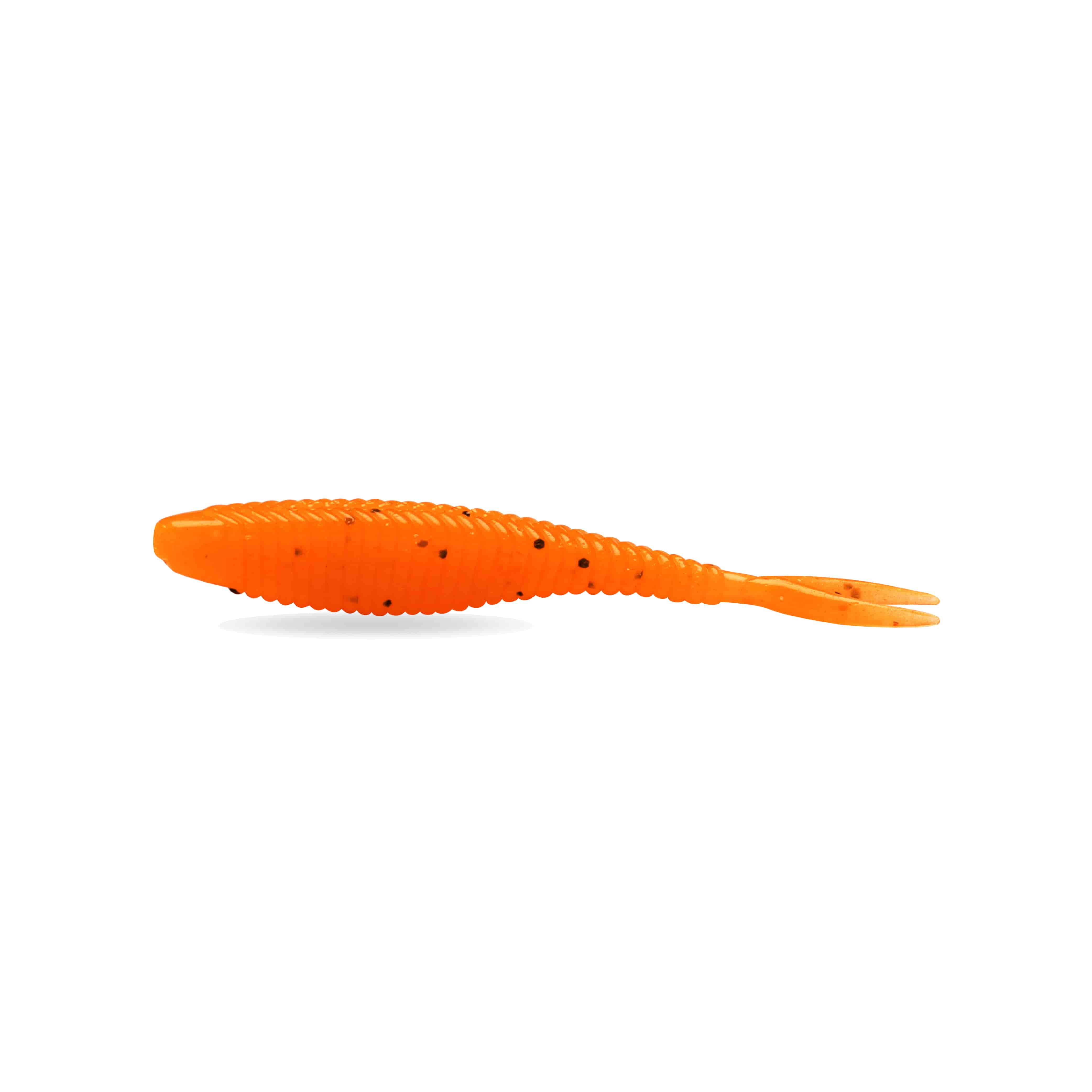
Open any experienced angler's tackle bag and count the compartments. In most of them, soft plastic baits outnumber hard baits three to one. They are cheap enough to fish in places you would never throw a crankbait, replaceable in seconds when one is destroyed, and they simply catch fish when nothing else does. For tackle shops and brands, they are also one of the fastest-moving and highest-margin categories on the shelf. This guide covers what soft baits are, the main shapes and how to rig them, what they are made of, and what actually matters when you source them from a soft bait factory.
What Makes a Soft Bait Different From a Hard Bait
A hard bait leaves the factory with its action built in. The lip, body shape and weighting decide how it swims, and every angler who buys it gets the same wobble. A soft plastic bait works differently. The tail or body flexes with every movement of the water and every twitch of the rod, so the action is only half finished when the bait leaves the mold. The other half comes from the hook, the weight and the hands on the reel.
That is exactly why soft baits dominate tough fishing. When predators are sluggish, the slow, subtle kick of a paddle tail or the dead drift of a finesse worm triggers strikes that a loud, aggressive hard bait never would. Soft baits also shine in heavy cover, because a weedless-rigged plastic can be crawled through grass, timber and rocks where treble hooks would snag on every cast. We compare the two families in more detail in our floating vs sinking lures guide and our hard bait materials explainer.
The Main Soft Bait Shapes
Soft baits are usually sorted by tail type and body profile. These are the families you will see in almost every catalogue, including our own soft bait range.
| Shape | What It Does | Typical Use |
|---|---|---|
| T-tail / paddle tail | Boot-shaped tail thumps side to side on a steady retrieve | Swimbaits for bass, zander, snapper; the most versatile shape |
| Curly tail grub | Corkscrew tail spins even at very slow speed | Cold water, slow rolling, jig head trailers |
| Finesse worm (stick bait) | Little built-in action; dances on subtle rod twitches | Wacky and Texas rigs for pressured bass |
| Shad / minnow body | Slim baitfish profile with a soft paddle tail | Vibrating swimbaits on jig heads, saltwater casting |
| Creature / craw | Claws and legs flare on the pause | Bottom presentations for bass and perch |
| Frog | Hollow or solid body, legs churn on the surface | Walking frogs over weed mats and lily pads |
| Shrimp / crustacean | Realistic legs and antennae, slow flutter on the fall | Saltwater flats, bream, snapper |
| Bait imitators (corn, worms) | Imitates natural prey or groundbait | European coarse fishing for bream and carp |
Within each family, sizes typically run from about 5 cm finesse baits up to 20 cm saltwater swimbaits. The rule is simple: match the size of the local baitfish, then adjust down when fish are pressured or the water is cold. Our lure size guide applies just as much to plastics as it does to hard baits.
How to Rig a Soft Bait
Jig head: the simplest and most productive rig
Thread the bait onto a jig head and you have a finished lure in ten seconds. The head weight controls depth and fall speed, the hook gap must suit the body depth, and the tail has to sit dead straight or the bait will roll. We break down head shapes, weights and hook sizes in our jig heads and weedless rigs guide.
Weedless / Texas rig
A wide-gap hook with the point buried in the body makes the rig virtually snag-proof. Add a bullet sinker in front and you can drag it through the heaviest cover you can find. This is the standard presentation for bass in grass and timber, and it works just as well for perch and zander in European rivers.
Other rigs worth stocking knowledge of
- Drop shot: the bait floats above a bottom weight, perfect for vertical or slow presentations in deep water.
- Wacky rig: the hook pierces the middle of a stick bait so both ends flutter on the fall. Deadly on pressured bass.
- Trailer: a curly tail or paddle tail added to a jig, spinnerbait or chatterbait to add bulk and vibration.
Colour and Scent
The same logic that drives hard bait colours applies to plastics, with one extra weapon: scent and salt impregnation. Plastics can carry salt, amino-acid scents and glitter, which makes fish hold on several seconds longer once they bite. Clear water calls for natural, translucent colours; dirty water calls for dark silhouettes or bright chartreuse; and at dawn, dusk or night, dark bodies often outfish everything. The reasoning behind these choices is covered in our lure colour guide and our article on what fish actually see underwater.
Materials: PVC vs TPE
Almost every soft bait on the market is one of two materials, and the choice matters for both anglers and buyers:
- PVC (plastisol): the classic material. Cheap, very soft, easy to salt and scent, and available in endless colours and translucencies. Most budget and mid-range baits are PVC.
- TPE: a newer class of elastomers. Non-toxic, free of phthalate plasticisers, tougher against teeth, and in many markets recyclable. It costs more and is harder to mold, so it is usually positioned as a premium, eco-friendlier option, an angle that matters more every year in Europe.
Buyers should also look at hardness (Shore value), whether the formula is salted or unsalted, and whether the plastic floats or sinks, because each of these changes how the same shape fishes. Regulatory requirements for soft plastics, especially in the EU, are summarised in our compliance guide for importers.
Sourcing Soft Baits From a Factory
Soft baits are one of the easiest categories to private label, which is why so many small brands start here. A few points decide whether a soft bait program runs smoothly:
- Molds and shapes: factories either work from an existing mold library, which keeps costs and lead times low, or cut custom molds for exclusive shapes. The trade-offs are the same as in hard bait development, which we cover in our custom mold guide.
- Custom colours: colour matching for plastics is fast, so a brand can run natural and high-visibility variants of the same shape. See our colour development guide.
- Packing: soft baits are packed in bulk bags, retail blister cards or printed private-label packs. Printed counts per pack, barcode and header card can all be specified, which is the first step described in our private label walkthrough.
- Shipping: soft baits are light for their volume, so sea freight with DDP delivery is a common choice for European buyers. Incoterms and cost logic are explained in our shipping guide.
- Quality checks: inspect hook alignment, tail symmetry, weight consistency and, importantly, that the plastic is not deformed or fused in the pack after transit heat. Our quality control article explains the general approach.
Common Mistakes to Avoid
- Rigging the bait crooked: even a few degrees off-centre makes a paddle tail spin instead of swim. Re-rig it straight.
- Retrieving too fast: most soft bait bites happen on the fall or at a crawl. Slow down before changing baits.
- Oversized hooks: a hook that is too big for the body kills the action. Match the hook gap to the bait, not the fish.
- Bad storage: different colours bleed into each other and bodies deform under weight and heat. Keep them cool, flat and separated, as we detail in our lure care guide.
Frequently Asked Questions
Do soft plastic baits work in saltwater?
Absolutely. Paddle tail shads on jig heads are a standard presentation for snapper, flathead, bream and many reef species, and shrimp imitations dominate estuary fishing. Just specify saltwater-grade hooks and, if you are sourcing, corrosion-resistant packaging.
Which should a new tackle brand stock first, hard baits or soft baits?
Soft baits, in most cases. They are lighter and cheaper to ship, easier to private label, and they turn over faster at retail. A common strategy is to open with soft baits and existing hard bait designs, then add custom hard baits as the brand grows, an approach we outline for beginners in our swimbait and hard bait guides.
How long do soft plastic baits last in storage?
Kept flat, cool and out of direct sunlight, several years. Extreme heat deforms bodies, and unscented PVC can dry out over time. Store them in the original bag and never pile heavy boxes on top of retail blister packs.
Can I get soft baits in my own colours and packaging?
Yes. Custom colours, salt and scent levels, and printed private-label packaging are all standard parts of soft bait OEM production. Tell us the shapes and colours you have in mind and we will confirm what is possible along with pricing and lead times.
Need Soft Plastic Baits in Wholesale Quantities?
GD Angling Tackle manufactures soft plastic baits from T-tails and finesse worms to shrimp and frog imitations, with custom colours, private-label packaging, and OEM & ODM support.
Contact Us for Wholesale Pricing